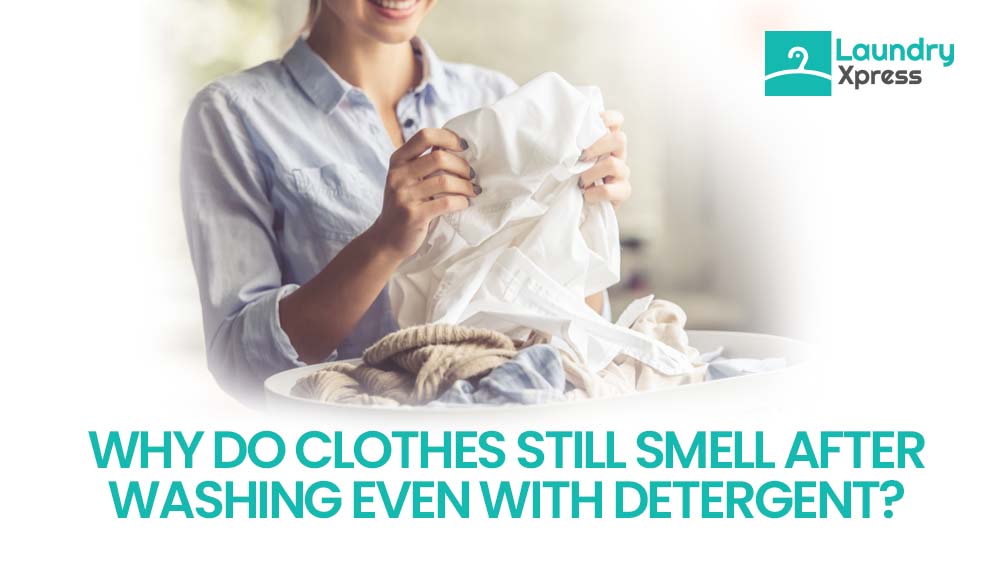
You load your washing machine, add detergent, run a full cycle, and yet your clothes still come out smelling musty, sour, or just not fresh. This is one of the most common complaints in modern laundry care, and it can be incredibly frustrating. If your clothes smell after washing, it usually means something in the cleaning process isn’t working the way it should.
Why Do Clothes Still Smell After Washing?
There isn’t one single reason, bad odors come from a combination of bacteria, trapped moisture, detergent misuse, machine issues, or fabric-specific problems. Let’s explore each cause in detail.
1- The Role of Fabric Type in Odor Retention
You’re probably aware that different fabrics retain odors at varying levels, and it’s essential to consider the fabric type when tackling smelly clothes. When you wash your clothes, the fiber content and material blend of the fabric can significantly impact how well it holds onto odors. You’ll find that natural fibers, synthetic fibers, and blended materials all have unique properties that affect odor retention, making it crucial to understand these differences.
Fabric Type
When it comes to clothes smelling after washing, the type of fabric they’re made of plays a significant role in odor retention. You’ll notice that clothes made from certain fabrics hold onto smells more than others. You can try washing them multiple times, but the smell persists. It’s because the fabric’s structure and properties affect how well it releases odors. As you wear and wash your clothes, you’re likely to find that some fabrics are more prone to retaining smells than others. This variation in odor retention is due to the fabric’s characteristics, which you can’t change, but can work around.
Fiber Content
The type of fibers that make up your clothes significantly impacts their ability to retain odors. You’ll find that natural fibers like cotton, wool, and silk tend to absorb and retain smells more easily than synthetic fibers. As you wear your clothes, sweat and bacteria penetrate the fibers, causing unpleasant odors. If you’re washing clothes made from natural fibers, it’s not uncommon for them to still smell after washing. You may need to use the best detergents or try different washing techniques to remove these odors. This is because natural fibers have a more open structure, allowing smells to linger.
Material Blend
Fabric blends play a significant role in odor retention, and clothes made from a mix of natural and synthetic fibers can be particularly prone to lingering smells. You’ll find that synthetic fibers like polyester and nylon can trap odors, while natural fibers like cotton and linen are more breathable. When you combine these fibers, it can create a fabric that’s more likely to hold onto smells. You should consider the material blend when buying clothes, as it can affect how well they resist odors. This knowledge can help you choose clothes that will stay fresh for longer.
2- Washing Machine Maintenance and Odor Issues
You’ll want to check your washing machine’s filters, as dirty ones can cause odors to transfer to your clothes. If you’re using an old machine, it may be contributing to the smell, so it’s worth considering an upgrade. You should also inspect the drains for clogs, as a blocked drain can lead to dirty water recirculating and making your clothes smell bad.
Dirty Filters
Since washing machines don’t clean themselves, dirty filters can become a major contributor to odor issues. You should check and clean your washing machine’s filters regularly. If you don’t, dirt and debris will accumulate, causing unpleasant smells. You’ll typically find filters at the bottom of the machine or near the drain pump. Remove and rinse them with warm water to remove blockages. This simple maintenance task can help prevent odor issues and keep your clothes smelling fresh. By cleaning your filters, you’re taking a crucial step in maintaining your washing machine and preventing smelly clothes.
Old Machines
If your washing machine is old, it may be more prone to leaving your clothes smelling bad after a wash. You’re likely to notice a decrease in performance over time. As you use it, buildup and residue can accumulate inside the machine. You should regularly clean and maintain it to prevent odor issues. Check your user manual for specific maintenance instructions. By doing so, you can help reduce the likelihood of your clothes smelling bad after a wash. Regular maintenance can also extend the lifespan of your washing machine, saving you money in the long run.
Clogged Drains
A clogged drain in your washing machine can cause clothes to smell bad after washing. You should check the drain pump filter regularly to ensure it’s not clogged with debris. If it’s clogged, you can’t expect your clothes to smell fresh. You’ll need to clean the filter to get rid of any blockages. This simple step can make a big difference in the smell of your clothes. By keeping the drain clear, you’re reducing the risk of odor-causing bacteria and mold. You can prevent this issue by checking and cleaning the filter regularly, so your clothes smell fresh after washing.
3- The Impact of Water Quality on Laundry Smells
Water quality plays a significant role in how your clothes smell after washing, as minerals and impurities in the water can affect the cleanliness and freshness of your laundry. You’ll notice that hard water, in particular, can leave a residue on your clothes that makes them smell bad. This residue can also reduce the effectiveness of your detergent, making it harder to get rid of tough odors. If you live in an area with hard water, you may need to use a water softener or a detergent that’s designed to work with hard water. You can also consider using a laundry pre-treater to help remove tough stains and odors. By taking these steps, you can help reduce the impact of water quality on your laundry’s smell. This can make a big difference in how fresh and clean your clothes smell.
Common Household Items That Can Combat Lingering Odors
You can combat lingering odors in your clothes with items you likely have at home. You’ll find that white vinegar, baking soda, and lemon juice are effective odor-fighting agents. When you wash your clothes, add a cup of white vinegar to the rinse cycle to help eliminate smells. Baking soda can be added to the wash cycle to absorb odors. You can also soak clothes in a solution of equal parts water and white vinegar before washing. If you don’t have these items, you can try using lemon juice as a natural alternative. It’s a simple and inexpensive way to freshen up your clothes and get rid of lingering odors. These household items won’t replace detergent, but they’ll help boost its effectiveness and leave your clothes smelling fresh.
4- Alternative Laundry Methods for Removing Persistent Smells
Since household items can only go so far in eliminating odors, it’s time to explore other methods. You’re looking for alternative laundry methods to remove persistent smells from your clothes. You can try using an oxygen-based bleach or an enzyme-based detergent to break down protein-based odors.
You also add a 1/2 cup of white vinegar to your wash cycle to help neutralize smells. If the smell persists, you can try soaking your clothes in a solution of warm water and baking soda before washing them. Additionally, you can hang your clothes outside to dry, as sunlight has natural deodorizing properties. By trying these methods, you can effectively remove persistent smells from your clothes.
Smelly laundry is not just a detergent issue, it’s a combination of washing habits, machine maintenance, fabric type, and water quality. Clothes can continue to smell after washing due to bacteria, residue, poor drying, or overloading. By improving your washing methods, cleaning your machine regularly, and using the right products, you can enjoy fresh, clean laundry every day. If you are tired of doing laundry at home, go for a professional laundry service provider like Laundry Xpress.
Frequently Asked Questions
1- Can I Use Bleach on All Fabrics?
You can’t use bleach on all fabrics, it’s not suitable for wool, silk, or colored clothes, you’ll damage them, so you’re checking labels to ensure it’s safe.
2- How Often Should I Wash Towels?
You should wash towels after 3-4 uses, as you’re likely to prevent bacterial growth, and you’ll keep them fresh, so you don’t have to worry about smells.
3- Do Dryer Sheets Expire?
You’ll find dryer sheets don’t technically expire, but they can lose potency over time, so you’re wasting money if you’re using old, ineffective sheets that don’t reduce static cling.
4- Can I Wash Clothes With Shampoo?
You can’t wash clothes with shampoo, it’s not designed for that, you’ll damage fabrics, and it won’t clean effectively, so you shouldn’t try it, and instead use regular laundry detergent.
5- Is Hand Washing Better Than a Machine?
You’re deciding between hand washing and machine washing, and it’s often better to hand wash delicate items, but machine washing is generally more efficient, and you’re saving time that way usually.