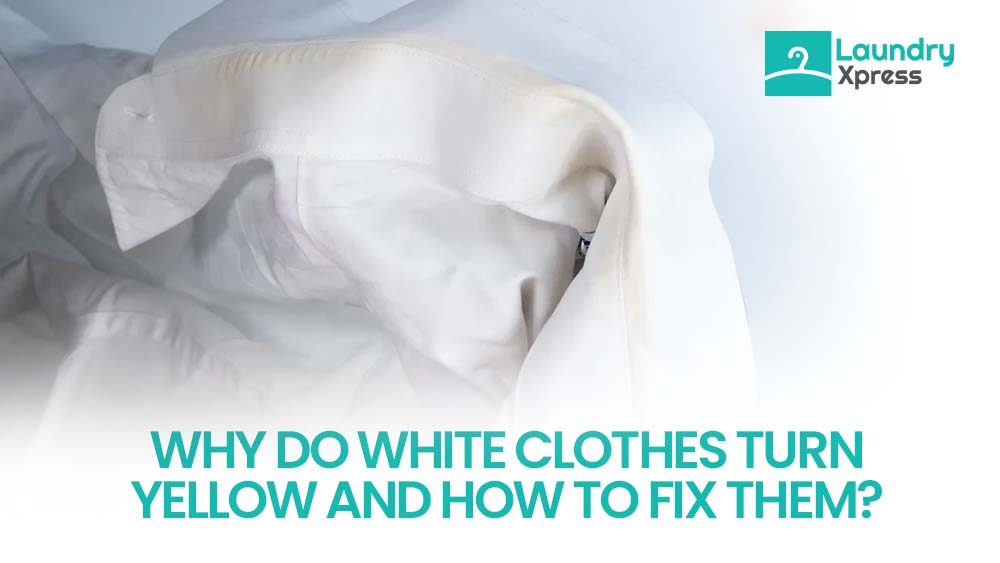
You’ve probably noticed your white clothes turning yellow over time. It’s frustrating, but what’s causing it? You’ll find out it’s not just one thing, and that’s what makes it interesting. Let’s explore why it happens and what you can do about it.
Causes of Yellowing in White Clothes
Because you wash and wear your white clothes regularly, they can turn yellow over time due to various factors. You expose them to sunlight, which can cause fading and yellowing. You also sweat when you wear them, and the minerals in your sweat can leave behind yellow stains. Additionally, you might not be washing them in cold water, which can cause the fibers to break down and turn yellow. As you continue to wear and wash your white clothes, they’ll likely accumulate more yellowing agents. You can prevent or reduce yellowing by taking a few precautions, such as washing them in cold water and line-drying them. It’s also a good idea to wash them separately from colored clothes to prevent dye transfer.
Effects of Detergent Buildup on White Fabrics
As you continue to wash your white clothes, detergent residue can accumulate on the fabrics, leading to yellowing over time. You’ll notice that your whites don’t seem as bright as they used to be. This is because detergent buildup can cause fabrics to deteriorate, making them more prone to yellowing. When you wash your clothes, some detergent residue remains, and it can react with the fabric, causing it to turn yellow. You can prevent this by using the right amount of detergent and making sure to rinse your clothes thoroughly. Regularly cleaning your washing machine can also help reduce detergent buildup. By taking these steps, you can help keep your white clothes looking their best and prevent yellowing caused by detergent residue. This will help maintain their quality and appearance.
Role of Fabric Softener in Yellowing White Clothes
You’re about to find out how fabric softener affects your white clothes, and it’s essential to consider the type of fabric you’re using, as some materials are more prone to yellowing than others. When you use fabric softener, it can build up on your clothes over time, leading to a yellowish hue, especially if you don’t wash them regularly. You’ll also notice that fabric softener can react with the dyes in your clothes, causing them to fade or change color, which isn’t what you want for your white clothes.
Fabric Type
Fabric type plays a significant role in determining how prone your white clothes are to turning yellow, and it’s often intertwined with the use of fabric softener. You’ll notice that natural fibers like cotton and linen are more prone to yellowing than synthetic fibers. This is because natural fibers can react with oxygen and light, causing them to degrade and turn yellow over time. You should consider the type of fabric when washing and drying your white clothes to minimize the risk of yellowing. Different fabrics require different care, so it’s essential to check the label.
Softener Buildup
Because you use fabric softener to reduce static cling and make your clothes feel softer, it’s essential to understand its role in yellowing white clothes. You might not know that fabric softener can leave a residue on your clothes. Over time, this residue can build up and cause your white clothes to turn yellow. When you wash your clothes, the residue can react with the detergent, making the yellowing worse. You can reduce this buildup by using less fabric softener or switching to a softener that’s designed to minimize residue. This can help keep your white clothes looking their best.
Dye Effects
Now that you’re aware of the impact of softener buildup on white clothes, it’s time to consider how dyes can also contribute to yellowing. You’ll notice that some fabrics, like cotton or linen, are more prone to dye effects. Certain dyes can break down over time, causing white clothes to turn yellow. When you wash your clothes, you’re exposing them to light, water, and oxygen, which can accelerate this process. You can help prevent dye effects by washing your clothes in cold water and avoiding exposure to direct sunlight. This won’t completely stop yellowing, but it’ll help slow it down.
Impact of Sunlight on White Clothing
Sunlight plays a significant role in turning your white clothes yellow. When you expose your white clothes to sunlight, it causes the fibers to break down, leading to discoloration. You’ll notice that clothes you wear outdoors or hang outside to dry are more prone to yellowing. This is because sunlight’s UV rays react with the fabric, causing it to degrade. As you continue to wear and wash your clothes, the yellowing effect becomes more pronounced. You can minimize this effect by drying your clothes in the shade or using a dryer. It’s also a good idea to wash your clothes in cold water to reduce the damage caused by sunlight. By taking these precautions, you can help prevent your white clothes from turning yellow due to sunlight exposure.
Aging and Optical Brighteners in White Fabrics
Your white clothes will naturally undergo changes as they age, and you’ll notice they don’t stay as vibrant as when you first bought them. This is because the fabrics degrade over time, leading to a loss of brightness. You might’ve noticed that some of your white clothes have a bluish or purple tint when they’re new – that’s due to optical brighteners. These chemicals absorb UV light and emit blue light, making your clothes appear brighter. As you wash and wear your clothes, these optical brighteners break down, causing the colors to fade. You’ll start to see the real color of the fabric, which can appear yellowish or dull. It’s a normal process, but it can be disappointing when your favorite white clothes lose their vibrancy. You can still enjoy them, but they won’t look like new forever.
Methods for Removing Yellow Stains From White Clothes
Because white clothes are prone to yellowing over time, you’ll likely need to remove these stains at some point. You can try using bleach or oxygen-based stain removers to lift the yellow discoloration. If the stains are particularly stubborn, you can soak the clothes in a solution of warm water and detergent before washing them. You may also want to consider using an enzyme-based stain remover, which can help break down protein-based stains that can cause yellowing. When removing yellow stains, it’s essential to act quickly, as the longer you wait, the more difficult they can be to remove. If the yellowing becomes too difficult to remove at home, consider using a professional dry cleaning service like Laundry Xpress, where experts treat stains carefully and restore your white clothes safely.
Frequently Asked Questions
1- Can Yellowed Clothes Be Restored?
Yes, you can restore yellowed clothes by fixing them using bleach, vinegar, or baking soda to remove stains and whiten fabrics, and you’re saving your favorite clothes from discoloration.
2- Does Bleach Fix Yellow Clothes?
You can’t always fix yellow clothes with bleach, it won’t work on all fabrics, so you’re checking the label first to see if it’s safe to use bleach on them.
3- Can Vinegar Remove Yellow Stains?
You can use vinegar to remove yellow stains, it’s a natural bleach alternative, you’ll soak clothes in it, then wash them, and it’ll help remove the yellowing, it’s worth trying, you’ll see.