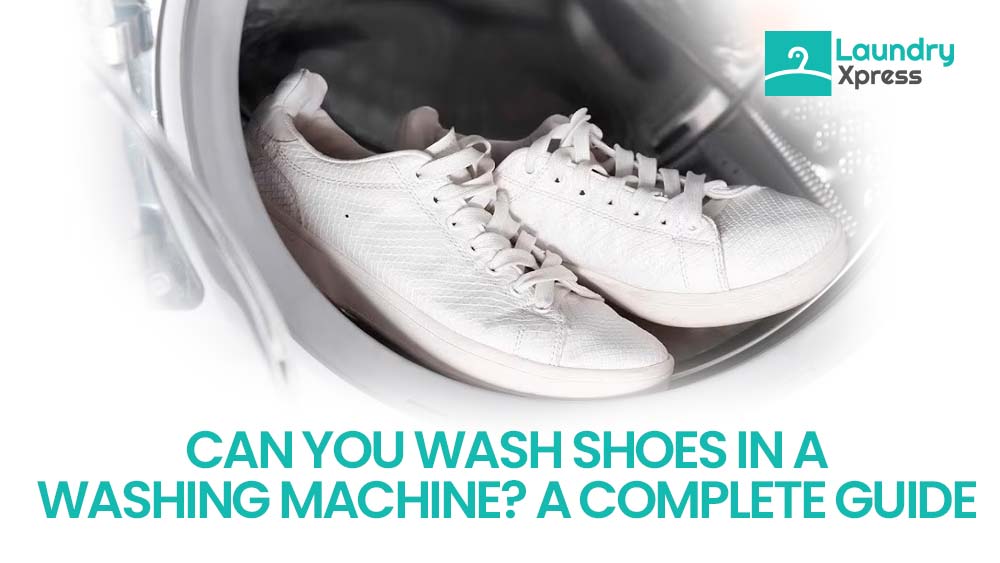
Washing shoes is something most people forget about until their favorite pair begins to look dull, dirty, or develops an unpleasant smell.Not every shoe material is machine-safe, and using the wrong method can damage both your shoes and your washer. This complete guide explains which shoes can be machine-washed, how to wash them safely, and essential sneaker care tips to help maintain the quality and lifespan of your footwear.
1. Can You Wash Shoes in a Washing Machine?
You can wash certain types of shoes in a machine, especially those made from fabric or mesh. Canvas shoes, fabric sneakers, sports shoes made of mesh or synthetic materials, and simple cloth slip-ons can usually withstand the agitation and water pressure of a washing machine. However, other materials are too delicate for machine washing. Leather shoes, suede shoes, high-end sneakers with complex detailing, shoes with LED lights or gel soles, heels, and formal footwear should never be washed in a machine. These materials require gentle hand cleaning or, ideally, a professional shoe cleaning service such as the one provided at Laundry Xpress.
2. Safety First: Machine-Washing Shoes Without Damage
Washing shoes safely in the machine requires preparation to avoid damage. Before washing, you should always remove the laces and insoles. These parts collect dirt and bacteria and need to be cleaned separately. Pre-cleaning is also important; brushing off loose dust, mud, and small stones prevents clogging the machine and helps ensure your shoes are washed more thoroughly. Once prepped, place your shoes inside a mesh laundry bag or even an old pillowcase to protect both the shoes and the machine drum. It is also helpful to add a few towels into the washer, as they help balance the load and minimize the banging noise.
When selecting machine settings, always use cold water, a gentle wash cycle, and mild detergent. Cold water prevents the glue from melting and keeps the shoes from warping, while a gentle cycle reduces the stress on the material. Avoid hot water and heavy spin cycles because they can distort the shape of your shoes.
3. What Detergent Should You Use?
A mild liquid detergent is the best option for washing shoes in a machine. Liquid detergent dissolves easily in cold water and rinses out completely without leaving any white or chalky residue on the fabric. Powder detergent, especially in cold water, may not dissolve fully, leading to visible streaks on your sneakers. Bleach and harsh chemical cleaners should be avoided because they weaken fabric fibers and may cause discoloration.
4. Drying Shoes: The Do’s and Don’ts
Drying is one of the most important steps and also the one where most shoes get damaged. The safest way to dry machine-washed shoes is to let them air-dry naturally in a well-ventilated space. Direct sunlight can fade colors if shoes are left outdoors too long, so drying under shade is more effective. To help shoes maintain their shape and dry faster, stuff the inside with tissue or newspaper, ensuring proper airflow. Remove the laces and insoles while drying so that every part dries evenly.
Avoid using a dryer, heater, or hair dryer because direct heat can warp the shoes and melt adhesives. Shoes should not be stored until they are completely dry, as even slight dampness can cause odor or mildew to develop.
5. Machine Safety Tips
If you plan on washing shoes often, you must keep machine safety in mind. Using a laundry bag is essential because it prevents the shoes from banging directly against the drum. Adding towels creates a cushioning effect and balances the load, which protects your washer. After washing shoes, cleaning the machine filter is important because dirt, sand, and lint from your shoes may accumulate inside. Try not to wash shoes frequently at home, as repeated cycles can wear out the drum over time.
6. Sneaker Care Tips to Keep Shoes Cleaner for Longer
Keeping shoes clean doesn’t only depend on occasional washing; regular care is essential for maintaining their quality. Brushing your shoes after every wear prevents dirt buildup and keeps them looking new. Deodorizing sprays can help control odors inside the shoes, especially after long wear or workouts. Waterproofing sprays offer extra protection during Karachi’s rainy season or dusty weather by keeping the shoe surface cleaner for longer. Rotating your footwear ensures they have time to air out between wears, and proper storage in breathable racks stops moisture from accumulating inside enclosed spaces.
7. When Should You Avoid Washing Shoes at Home?
There are times when washing shoes at home isn’t recommended. If your shoes have deep stains, stubborn smells, or delicate fabrics, they need professional care. Shoes with foam padding or multiple layers absorb water easily, making air drying difficult and potentially damaging. Similarly, expensive sneakers or limited-edition pieces lose their structure if machine-washed. If odor persists even after multiple washes or the stitching is delicate, professional cleaning is the safer option.
Washing shoes in a washing machine is possible and convenient, but it must be done carefully and only for machine-safe materials. Fabric-based sneakers and sports shoes handle machine washing well, provided they are washed on gentle settings and dried properly. However, delicate shoes such as leather, suede, and high-end sneakers require manual or professional cleaning to prevent damage. With proper care, preparation, and aftercare, you can keep your shoes looking fresh, clean, and long-lasting. And when in doubt, Laundry Xpress is always here to provide expert, reliable, and safe shoe cleaning services for your favorite footwear.
Frequently Asked Questions (FAQs)
1. Is it safe to wash all types of shoes in a washing machine?
No, only fabric, canvas, and some athletic shoes are machine-safe. Leather, suede, and delicate materials should never be machine washed.
2. Can I wash running shoes in the washing machine?
Yes, most mesh and synthetic running shoes can be washed. Always check the care label first.
3. Should I remove the laces and insoles before washing?
Yes, remove both for better cleaning. Wash insoles by hand to prevent damage.
4. What water temperature is best for washing shoes?
Use cold or lukewarm water. Hot water can damage glue and fade colors.